

Should You Make the Switch Between iOS and Android?
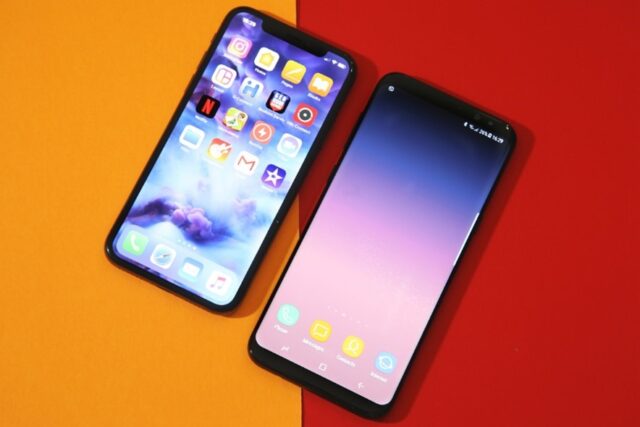
If you’re due for a phone upgrade, you may be stuck between sticking with your beloved operating system and switching to the other side. Don’t worry, you’re not alone! Deciding to switch to a new mobile operating system can be overwhelming, and many people are faced with this all-important question when it’s upgrade time.
At Mazuma Mobile, we understand it’s more than just a choice of device; it’s a lifestyle, a status symbol, and a reflection of your personality. Whether you prefer the sleek design and seamless integration of the iPhone or the customisability and diversity of Android, each platform has its unique perks. Let’s break down the realities of switching so you can decide what is best for you when you come to sell your phone.
Is it Worth Switching from Apple to Android?
Switching from iOS to Android offers high customisability, unmatched hardware variety, and superior value for money. There is a brief visual and structural adjustment period, as you get used to your new phone’s features and interface, though this shouldn’t take longer than a few days.
You’ll initially have to adapt to the system-wide back swipe gesture, navigate a deeper settings ecosystem that requires a few extra taps, and leave Apple’s proprietary iMessage network for universal, modern standards like RCS messaging or third-party applications like WhatsApp.
What are the Biggest Differences Between iOS and Android Interfaces?
The biggest differences between iOS and Android interfaces can be boiled down to a structural battle between uniform simplicity and open customisability. While iOS offers an identical, locked-down layout across every iPhone generation, Android operates on an open platform where manufacturers overlay their own custom interfaces, known as ‘skins’.
Device Variety and Model Choices
When it comes to the diversity of devices and models available, it’s no secret that Android wins when variety is the competition. In 2025 alone, there were several hundred new Android devices, competing with just four iPhones released in the iPhone 17 series.
Android is expected to boast a growing range of devices from manufacturers like Samsung, Google, and OnePlus. They’ll offer a wide choice of devices, from budget to ultra-premium, so there’s something for everyone.
Ease of Use
iPhones are known for their simple, consistent user interface, built into iOS. If you’re someone who values ease of use and a stripped-back view, then an iPhone would be perfect for you. The interface is straightforward, and there aren’t many customisation options.
Alternatively, Android interfaces vary across manufacturers, and if you were to sell your Samsung Galaxy Note and upgrade to a Google Pixel 7, for example, you’d notice a huge difference in interface despite both devices running on Android. Each interface offers unique customisation options, allowing you to tailor your experience. While many users love this feature, it could also make the user experience slightly more complex.
Application Availability
Apple’s App Store is well-known for its strict quality control measures, which means that iOS users are treated to a carefully curated selection of high-quality apps. As a result, these users often get certain apps or updates earlier than Android users due to developers’ focus on the more uniform iOS platform.
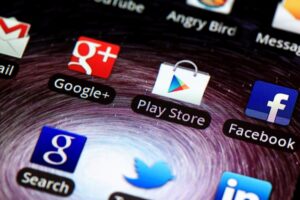
Google’s Play Store is home to Android apps and offers a wide variety of applications thanks to its open-source model that allows more developers to contribute. But this also means that the quality of apps on the Play Store varies widely, ranging from excellent to subpar. Although Android holds a slight edge in terms of the number of apps available, the choice really comes down to whether you prefer Apple’s quality-controlled environment or Android’s expansive, open-ended one.
Security
iOS is believed to be more secure than Android because Apple has a tightly controlled system that includes strict app vetting and regular updates pushed to all devices, which significantly reduces the risk of malware.
On the other hand, Android is an open-source platform that allows for greater customisation but comes with increased security responsibility. Google implements rigorous security measures like Play Protect, but the platform’s openness complicates uniform updates and app oversight, potentially leaving the door open to malware.
Hardware
iPhones are known for their top processors, elegant yet modern design, and Retina Display technology. Plus, iOS is specifically designed to work seamlessly with iPhone hardware, so you get a consistently smooth user experience no matter which iPhone you choose. Android devices come from a variety of manufacturers, which means you have more options to choose from when considering hardware specs and price points.
Reasons to Switch from Apple Ecosystem to Android
If you find yourself on the fence, wondering, ‘Are iPhone users switching to Android?’ The answer is yes, as millions of consumers regularly cross platform lines to escape the constraints of Apple’s ecosystem and experience the vast benefits of Android.
Before initiating your transition, ensure you tick off these four critical steps:
- Back up data: Sync your entire contact list, calendar events, and media libraries to Google Drive or iCloud.
- Charge both phones: Deep data migrations drain batteries quickly; ensure both phones are plugged into power.
- Know account passwords: Keep your Apple ID credentials and your Google Account login details easily accessible.
- Turn off iMessage: Turn off iMessage and FaceTime in your old iPhone settings before moving
- your physical SIM card to prevent missing incoming SMS messages from Apple users.
How to Transfer Your Data Safely
- Cable Transfer: Connect your old iPhone directly to your new Android device using a physical cable
- during initial setup. This remains the fastest and most reliable method for copying your profile.
- Wireless Syncing: Migrate content over local Wi-Fi during the cloud startup wizard.
- Manufacturer Migration Apps: Built-in suites, like Samsung Smart Switch or Google’s default ‘Switch to
- Android’ applications, seamlessly map across photos, call histories, and text logs and automatically install the free Android equivalents of your current iOS apps.
Trade-In an Old iPhone for Cash with Mazuma Mobile
Switching between iPhone and Android or vice versa might seem scary, but it’s made easy with Mazuma Mobile! Our user-friendly platform simplifies the process when you decide to sell your phone. Just register your sale on our website to receive a competitive quote. Next, pack up your device using our guidelines and send it to us (postage is on us!). Once we receive your device, we promptly process your payment, ensuring you get the cash fast.
This smooth transaction supports your upgrade journey, making the switch between operating systems not just easy but also financially rewarding, all while contributing to environmental sustainability. What more could you ask for?
So, if it’s time to switch, we’d love to hear from you. Whether you want to sell an iPhone and switch to Android or you’ve chosen to trade in your Samsung for an Apple device, start your transition with Mazuma today.